1. Define the question
Clarify the symptom, task or performance goal that makes analysis relevant.
Structured observation of gait, running and functional tasks can support assessment, communication and progress review when clinically appropriate.
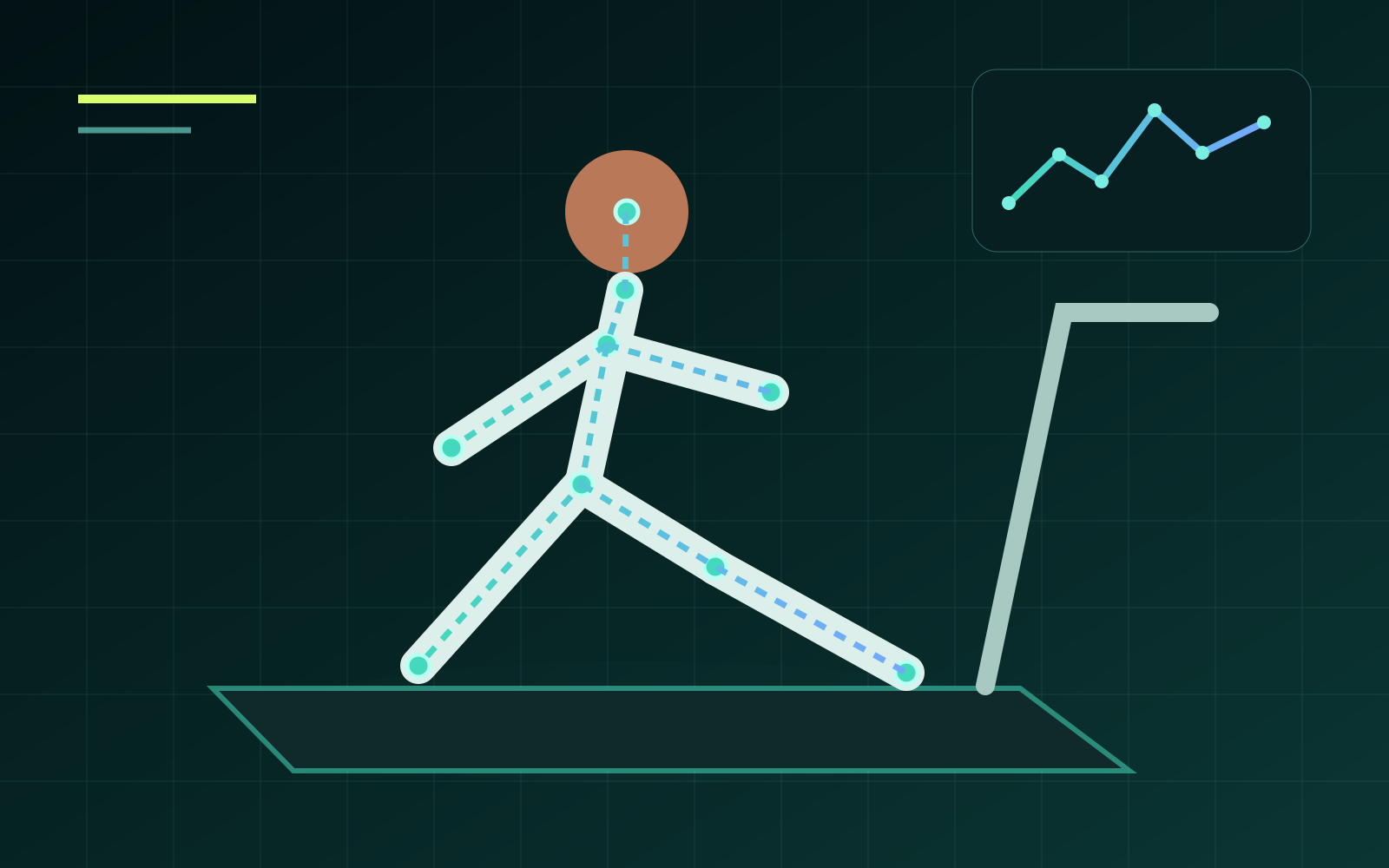
Recorded movement may help identify observable patterns, compare sides, review task mechanics and document change over time. Interpretation remains individualized and is considered alongside history and physical assessment.
Clarify the symptom, task or performance goal that makes analysis relevant.
Record an appropriate view of walking, running or a selected functional task.
Discuss observations alongside clinical assessment rather than as isolated data.
Use relevant findings to guide decisions and compare progress when useful.